
Key takeaways
- VG stands for viscosity grade: the higher the number, the stiffer the bitumen.
- VG-30 is the workhorse paving grade for most heavily trafficked roads.
- VG-40 is for highly stressed spots: intersections, toll plazas, truck parking and slow, heavy traffic.
- VG-10 is the soft grade, used for spraying, surface dressing and paving in very cold climates.
What "VG" means
Paving bitumen in India is specified under IS 73. Older penetration grades such as 60/70 and 80/100 have been replaced by viscosity grades (VG), measured by absolute viscosity at 60°C, the kind of temperature a road surface reaches in summer. A higher VG number means a stiffer binder that resists rutting under heat and heavy loads.
The grades compared
| Grade | Absolute viscosity at 60°C (poise) | Min. penetration at 25°C (0.1 mm) | Typical use |
|---|---|---|---|
| VG-10 | 800–1,200 | 80 | Spraying, surface dressing, paving in very cold climates |
| VG-20 | 1,600–2,400 | 60 | Paving in cold climates and high-altitude regions |
| VG-30 | 2,400–3,600 | 45 | Most paving on heavily trafficked roads |
| VG-40 | 3,200–4,800 | 35 | Highly stressed areas: intersections, toll plazas, truck parking |
As a rough guide, VG-10 replaced the old 80/100 penetration grade, VG-30 replaced 60/70, and VG-40 sits close to 30/40.
VG-30: the default for most roads
VG-30 is the grade most contractors use for dense bituminous macadam (DBM) and bituminous concrete (BC) on national and state highways. It balances resistance to rutting in hot weather with workability during mixing and compaction.
VG-40: where the road takes the most punishment
Where heavy vehicles brake, turn, queue or park, as at junctions, toll plazas, bus bays and truck terminals, the surface is loaded for longer and runs hotter. VG-40's extra stiffness resists the ruts and shoving that softer grades develop there. It is harder to compact, so mixing and rolling temperatures have to be controlled carefully.
VG-10: spraying and cold regions
VG-10 is the softest grade. It is used for spraying applications such as surface dressing, and for paving in very cold climates where a stiff binder would crack.
How to choose
- Start with your contract specification. MoRTH and IRC specifications, and your project documents, usually name the grade for each layer.
- Consider traffic and stress. Heavy, slow or turning traffic points towards VG-40 in the wearing course.
- Consider climate. Hot plains favour stiffer grades; cold and high-altitude regions favour softer ones.
- Think about the whole job. The bitumen, the tack and prime coat emulsions and the hot-mix plant fuel all have to arrive on schedule.
Handling bitumen well
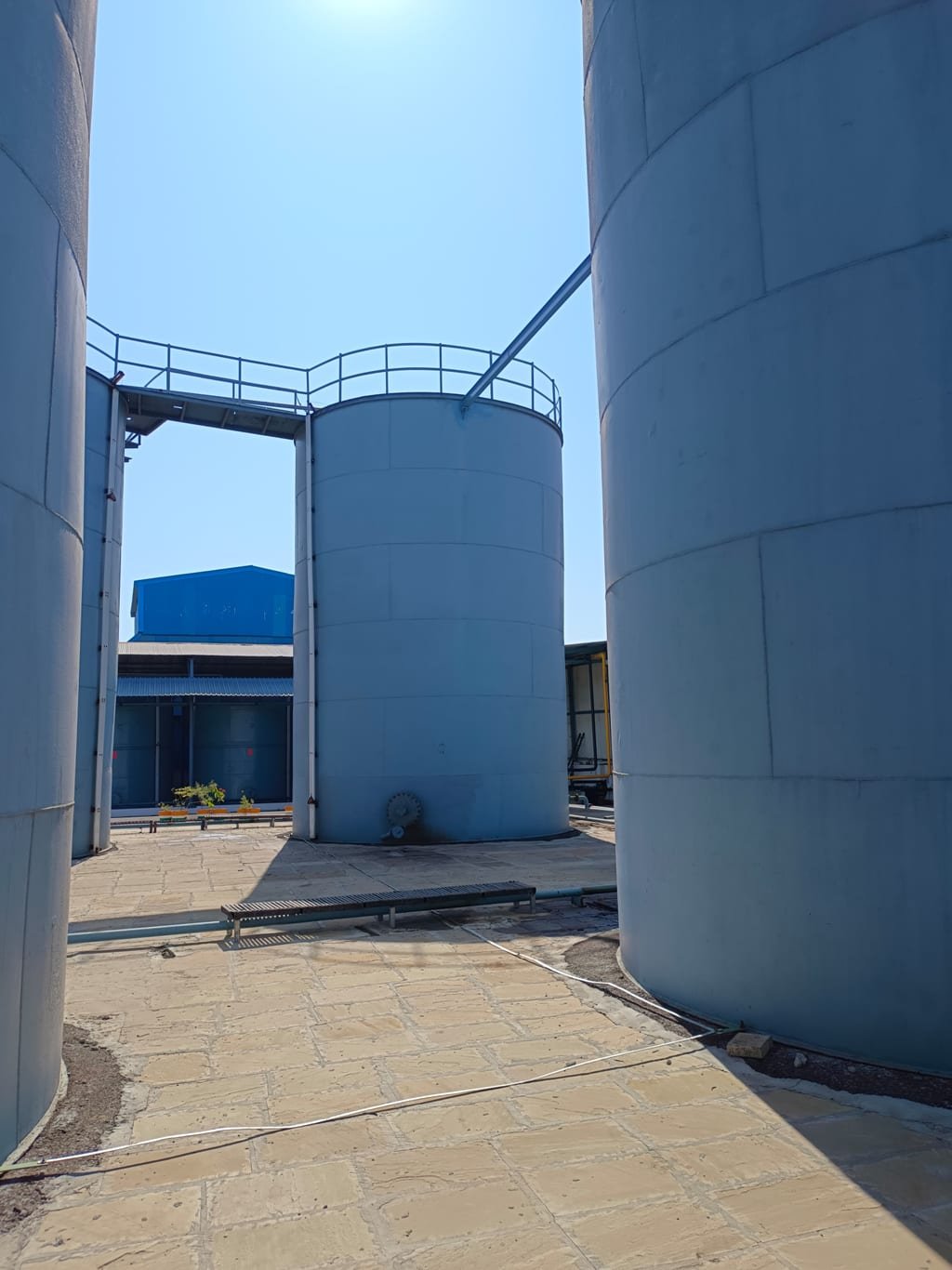
Bitumen is pumped and delivered hot. Overheating it, or holding it hot for too long, hardens the binder and shortens the life of the road, so keep to the temperatures in your specification. We hold bitumen in heated tanks at our 3,000 MT Anjar terminal and deliver it in heated tankers, ready for your hot-mix plant.
See our bitumen supply page for grades and delivery areas.
Need a quote or a second opinion? Tell our trading desk your equipment, volume and delivery location. We reply within 24 hours.